Call Us at: (613) 854-8007

Dental Services · Senior Mobile Dental
Dental Treatment Restoring Comfort, Function, and Confidence
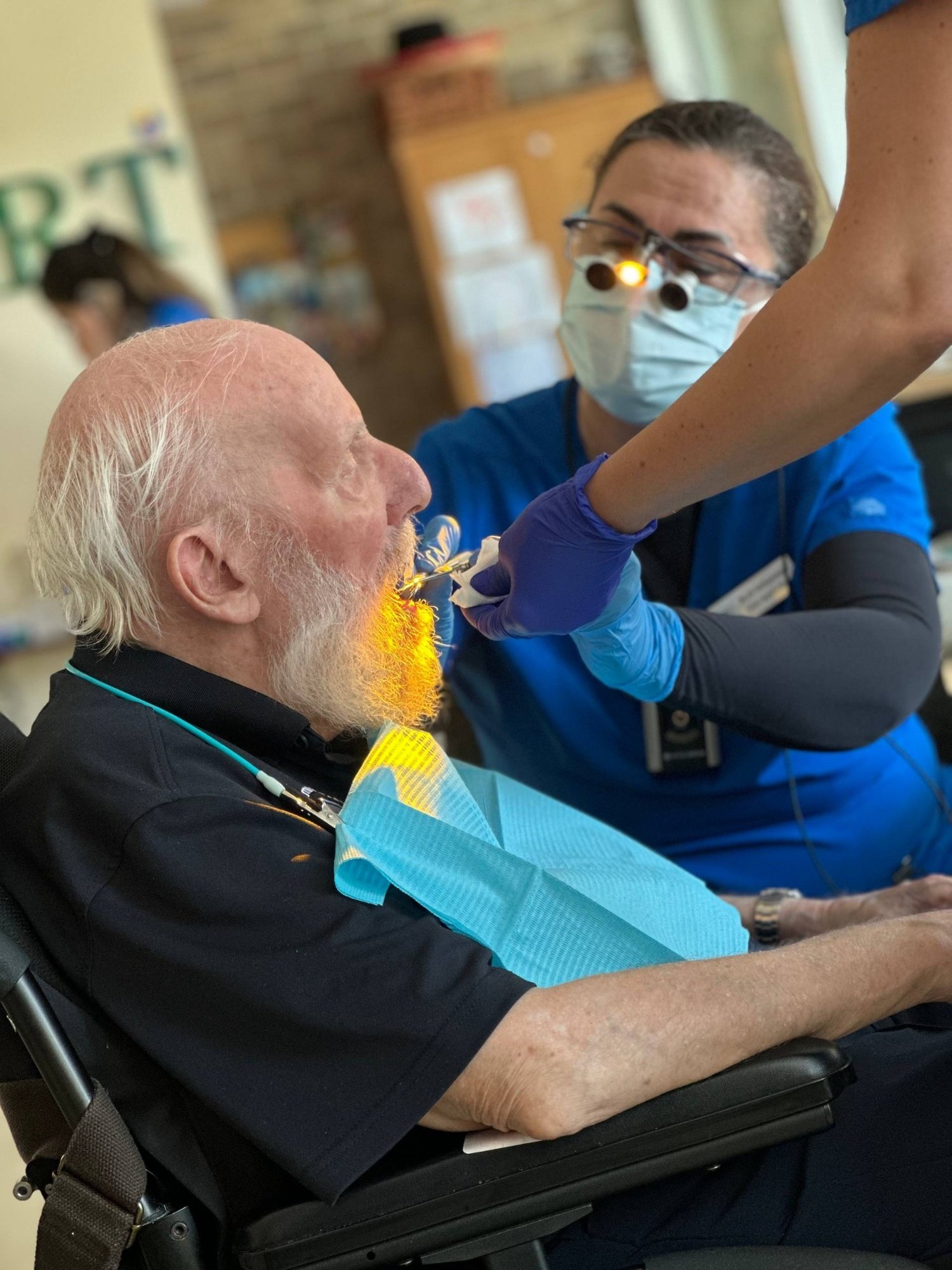
When a tooth is damaged, decayed, or causing discomfort, restoring it can make a meaningful difference to eating, speaking, and everyday comfort. We deliver dental treatment directly to seniors at their place of residence no clinic visit required.
Treatment Where You Live
Dental treatment delivered on-site no transport, no waiting rooms, no clinical environments.
Assessment First
Treatment is always preceded by a thorough assessment and, where applicable, a documented care plan.
Family Kept Informed
Treatment findings and recommendations are communicated clearly to family members and caregivers.
Focused on Function
Our goal is restoring comfort and oral function not cosmetic outcomes. Practical care for real needs.
Relieve Dental Discomfort
Decay, broken teeth, and failing restorations can cause significant pain. Timely treatment addresses the source of discomfort directly and compassionately.
Restore Eating and Speaking
Damaged or missing tooth structure affects more than appearance it can make chewing difficult and affect speech, nutrition, and enjoyment of meals.
Preserve What Remains
Where clinically appropriate, treatment aims to preserve natural teeth avoiding more complex intervention by addressing problems before they progress.
Adapted to the Individual
Dental treatment for older adults is planned with the patient's full medical picture in mind including medications, mobility, cognitive needs, and personal goals.
About This Service
What Dental Treatment Means for Seniors
Dental treatment focuses on repairing and rebuilding teeth that have been damaged by decay, fracture, or wear and replacing dental work that has broken down or been lost over time. For seniors, this kind of care is often the difference between eating comfortably and avoiding food, between managing daily discomfort and living without it.
Unlike preventive care, which focuses on maintaining health, or denture services, which focus on prosthetic appliances, dental treatment addresses specific problems with existing teeth. A cavity that has been causing sensitivity. A filling that fractured years ago. A tooth that broke while eating. These are the kinds of concerns that dental treatment directly addresses.
Senior Mobile Dental provides dental treatment on-site, bringing the clinical equipment and expertise needed to assess and treat these conditions in the patient's own environment. Treatment is always planned with care, based on a thorough assessment and in consultation with the patient, their family, and the care team where appropriate.
Who This Service May Help
Common Situations Where Dental Treatment Is Appropriate
Dental treatment is recommended after an assessment confirms a specific dental problem that can benefit from treatment. Below are the kinds of situations our team commonly encounters.
Decay
Active Tooth Decay
Dental cavities that have progressed beyond what regular care can manage. Left untreated, decay can lead to pain, infection, and tooth loss early treatment can prevent this progression.
Damage
Broken or Fractured Teeth
A tooth that has chipped or fractured from biting, grinding, or an accident can be uncomfortable and may worsen without repair. Treatment options depend on the extent of the damage.
Restorations
Failed or Missing Fillings
Old fillings can crack, fall out, or deteriorate over time, leaving the underlying tooth exposed and vulnerable to decay or sensitivity. Replacing or repairing them protects the tooth beneath.
Sensitivity
Tooth Sensitivity or Pain
Persistent sensitivity to temperature, pressure, or sweet foods may indicate decay, an exposed root surface, or a cracked tooth all of which benefit from assessment and targeted treatment.
Function
Difficulty Chewing Certain Foods
When a senior begins avoiding certain foods particularly harder or chewier items it may signal an underlying dental problem that is affecting chewing function and, by extension, nutrition.
Infection
Signs of Dental Infection
Swelling, persistent pain, or a visible abscess requires prompt attention. Dental infections in older adults can be especially serious given the potential for complications early treatment is important.
Clinical Scope
What Dental Treatment May Include
The specific treatment provided will depend on the patient's oral health status, the nature of the problem, and what can be safely and effectively carried out in the patient's care environment. After assessment, our dental professional will explain all relevant options.
1
Dental Fillings
Placement or replacement of fillings using Compoglass, a tooth-coloured filling material, to restore teeth affected by decay or damage. Where appropriate, this can be carried out in the patient's room using portable equipment.
2
Tooth Smoothing and Repair
Minor reshaping or smoothing of chipped or fractured tooth surfaces to remove sharp edges, reduce sensitivity, and prevent the damage from progressing.
3
Removal of Broken or Failing Restorations
Where an existing filling or restoration has deteriorated, it can be removed and replaced or the tooth can be prepared for the most clinically appropriate next step.
4
Temporary Restorations
In cases where immediate definitive treatment is not possible due to the patient's condition or the complexity of the problem a temporary restoration may be placed to protect the tooth and reduce discomfort while a care plan is developed.
5
Extraction, Where Necessary
When a tooth cannot be saved and is causing pain or infection, extraction may be the most appropriate and compassionate treatment. Where clinically appropriate, this may be carried out on-site following a thorough assessment.
6
Referral for Complex Cases
SMDS does not provide crowns or root canal therapy, and some surgical procedures may require a specialist setting. Where on-site treatment is not appropriate, we will provide a clear referral and explanation of next steps.
Important: Not all dental procedures can be performed in every setting. The suitability of on-site treatment depends on the patient's individual needs, medical history, cooperation, and the clinical requirements of the procedure. Our dental professional will always discuss what is and is not feasible before proceeding.
What to Expect
How the Process Works
Dental treatment always begins with a careful assessment. We do not treat without understanding the full picture and we never proceed without the patient's (or substitute decision-maker's) informed agreement.
1
Contact Us
A family member, caregiver, or facility staff member can reach out on behalf of a patient. We will ask about the concern and arrange an appropriate visit.
2
Assessment Visit
Our dental professional visits on-site to assess the patient's oral condition, review their medical history, and identify the nature and extent of the problem.
3
Care Planning and Consent
Treatment options are explained clearly to the patient and, where appropriate, to their family or substitute decision-maker. All care proceeds only with informed consent.
4
Treatment and Follow-Up
Treatment is carried out on-site where clinically possible. A follow-up visit is arranged if needed, and findings are documented and shared with the care team.
"Our goal with every treatment visit is simple: to help the patient feel more comfortable than they did before we arrived and to leave them with a clear understanding of what was done and what, if anything, comes next."
For Families and Facilities
Why Families and Facilities Value This Service
When a senior needs dental treatment, getting them to a clinic can be complicated, stressful and sometimes not possible at all. Treating them on-site removes that barrier for the patient, the family and the care team.
No Transport Barriers
For seniors who use wheelchairs, have dementia, or are medically complex, attending a dental clinic is often genuinely difficult. We eliminate that barrier entirely.
Clear Communication
We explain findings and treatment recommendations in plain language to the patient, and to family members or substitute decision-makers who want to be involved.
Documented Care Records
All dental treatment is documented. Summaries can be shared with the facility care team and incorporated into existing resident health records.
Reduced Suffering and Distress
Unresolved dental pain can cause significant distress in seniors including changes in behaviour, reduced eating, and sleep disruption. Timely treatment matters.
Easier Facility Coordination
For facility care teams, we handle scheduling, documentation, and communication minimising the administrative workload involved in accessing dental care for residents.
Support for Substitute Decision-Makers
When a patient cannot make their own dental decisions, we work carefully with substitute decision-makers to ensure care is appropriate, well-understood, and consent-based.
A Note on Consent and Care Planning
All dental treatment is carried out with the patient's (or their substitute decision-maker's) informed consent. We take the time to explain each procedure, answer questions, and ensure there is no pressure to proceed with any treatment before the patient and family feel comfortable and informed.
Common Questions
Frequently Asked Questions
Many common dental procedures including fillings, minor repairs, and extractions can be performed effectively on-site using portable dental equipment. However, SMDS does not provide crowns or root canal therapy, and complex surgical extractions may require a clinical setting with specialist equipment. Our dental professional will assess each situation individually and clearly advise on what can be managed on-site and what may require a referral.
Dental anxiety and limited cooperation are common, especially among older adults with dementia or heightened sensory sensitivity. Our team is experienced in adapting the pace and approach of treatment to the individual patient. We work slowly, communicate clearly throughout, and will pause or postpone treatment if it is not in the patient's best interest to continue. We never use physical restraint, and we will not proceed with treatment that the patient is clearly distressed by.
Coverage depends on the specific procedure and the patient's eligibility. Private insurance or third-party benefits may apply, and other government dental programs may be available depending on eligibility. Please contact our office so we can confirm which coverage options SMDS can support.
Common signs that a senior may benefit from an assessment include: visible damage to a tooth, complaints of pain or sensitivity, difficulty chewing on one side, avoiding certain foods, a broken or loose filling, swelling in the gum or jaw, or unexplained changes in behaviour that could indicate oral discomfort. If you are unsure, an oral health assessment is always the best first step contact us and we can advise you on the most appropriate next action.
Limited mouth opening (trismus) is relatively common in older adults and can be caused by jaw joint issues, muscle tightness, or previous injury. Our team is experienced in working within physical limitations and can often complete assessments and certain procedures even when mouth opening is restricted. The degree of limitation will be assessed as part of the initial visit, and we will advise on what treatment is feasible given the individual's specific anatomy.
When a tooth is beyond the point where restoration is appropriate or possible, extraction may be recommended as the most clinically appropriate course of action particularly when the tooth is causing pain or infection. This will always be discussed openly and honestly, with the patient's comfort and quality of life as the primary consideration. Where extraction would affect the patient's ability to chew or wear existing dentures, we will discuss options for addressing the resulting gap as part of the overall care plan.
Concerned About a Dental Problem?
If your loved one is experiencing dental pain, a broken tooth, or a concern you have been putting off, the right step is to get it assessed. Contact us to arrange a visit we will take it from there.
Serving long-term care homes, retirement residences, and seniors living at home across Eastern Ontario.